
Hi, I’m Shauna
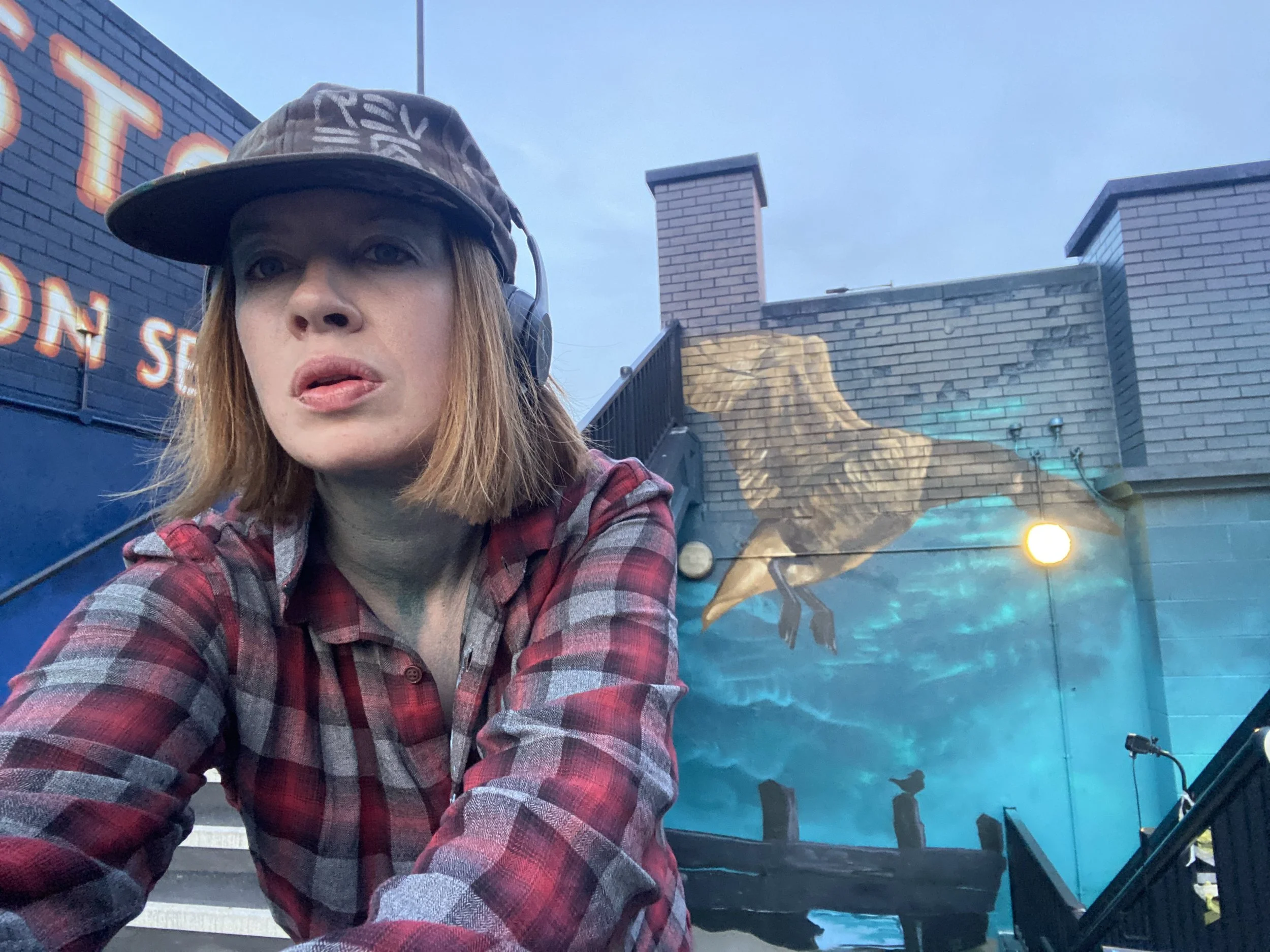
I make public artworks that ask people to stop long enough to recognise themselves in a place.
My work focuses on spaces that are overlooked or treated as transitional. Estates, stairwells, walkways, town squares, edges and thresholds. Places where something is missing, even if nobody has named it yet.
I take what a community already knows about itself, sometimes only partially, and make it into something larger than the sum of its parts. Something visible, and shared. When people see themselves reflected with care, it changes how they feel about where they live and how they treat it in return.
Why story-led public art?
Beautiful and soulless is still soulless
New developments can be immaculate and still feel hollow, polished and gleaming without depth or memory. A neighbourhood gets a facelift and it removes the imperfections that were the essence of the place. Flat colour, generic illustration or decorative pattern can brighten a space, but they usually stop there. They don't invite recognition or start conversations, and the impact doesn't last.
What a place needs is specificity.
When people recognise something particular, a shared history or a local truth, artwork stops being decoration and becomes part of daily life. It gets talked about and argued over. It holds attention because it means something.
That specificity is what I'm committed to. If a place only has one or two public artworks, they need to carry weight, or they become window dressing: pleasant, shallow, easily forgotten.
Experience
I work primarily with councils, developers, BIDs, community partners and organisations delivering publicly funded projects. Often the funding is already secured, ring-fenced for public art, and arrives late in the process, which brings its own challenges.
Much of my work takes place in sensitive or highly visible environments: urban civic spaces, live public routes, heritage-adjacent sites, and communities navigating change. The recurring concerns are familiar across places, whether that's pressure on services, population shift, questions of representation, or a desire to make things better for the next generation.
My background in museums and galleries means I'm fluent in the language of funders, policy frameworks and cultural accountability, as well as the practical realities of delivery. I'm used to working within constraints of time, funding and competing priorities, and finding ways to make work that still feels meaningful rather than municipal.
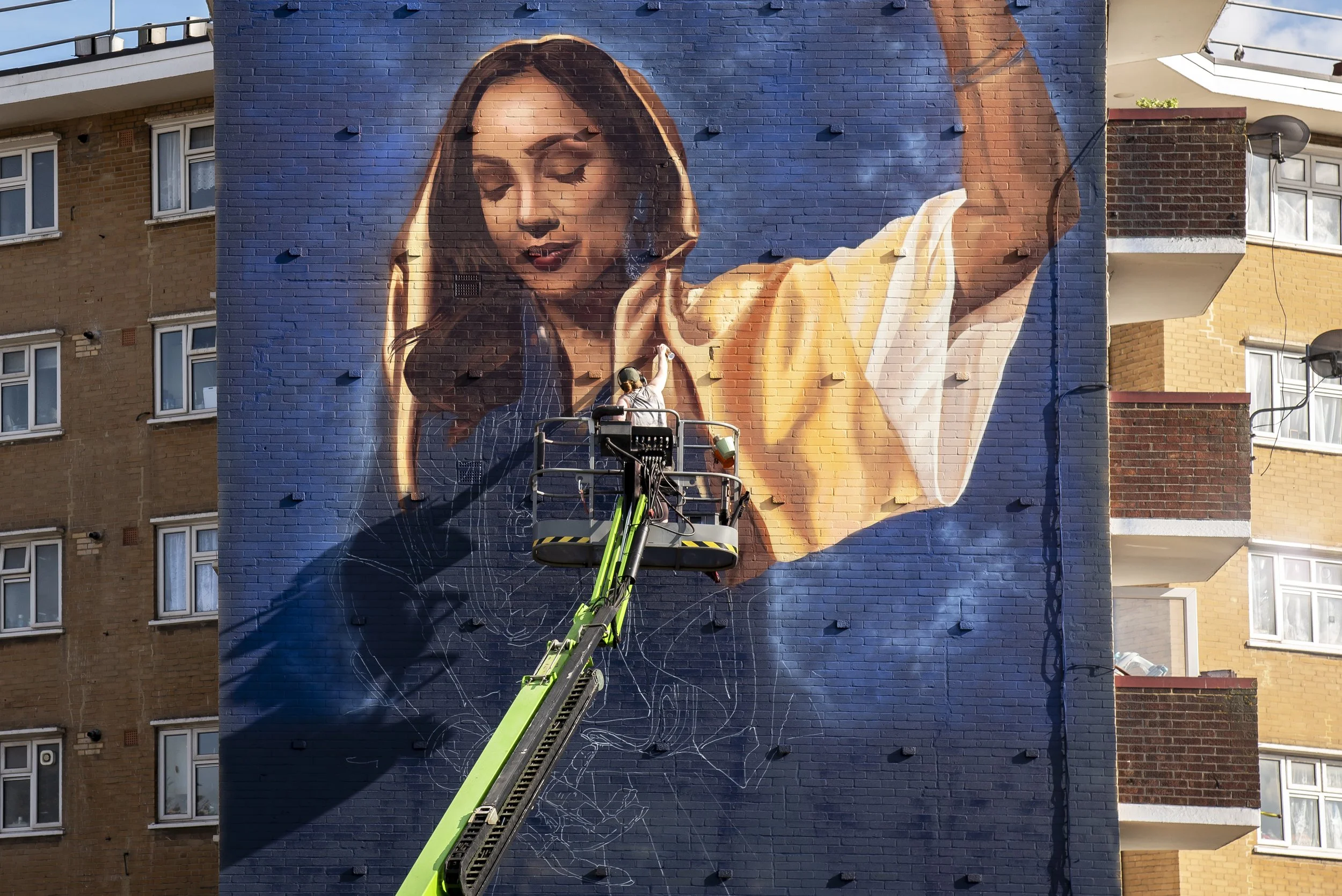
I've painted over 100 murals in ten countries, including a six-storey building on Ilford Lane in London.
Press
This Is Disruption — Shauna Anseo: Mythmaking, Mural Painting and Finding Your People
Podcast interview | 17 March 2026
Bucks Free Press — Wycombe murals painted onto Mahoney Court walkway
Mahoney Court Flowers | 23 July 2026
Camberwell Society — Mural to celebrate our healing waters
Feature on Wellspring | 19 June 2026
BBC News - Mural celebrating town’s WI lead unveiled
Newquay WI | 28 December 2025
Kildare Nationalist — Athy gets two new murals
Berba: Goddess of the Barrow | 16 September 2025
Bucks Free Press — Wycombe Swan undergoes exterior regeneration project
The Wycombe Swan | 19 August 2024
Southend Echo — Westcliff: dilapidated building transformed by mural
Westcliff on Sea, Shore & Sky | 10 March 2024
The artist
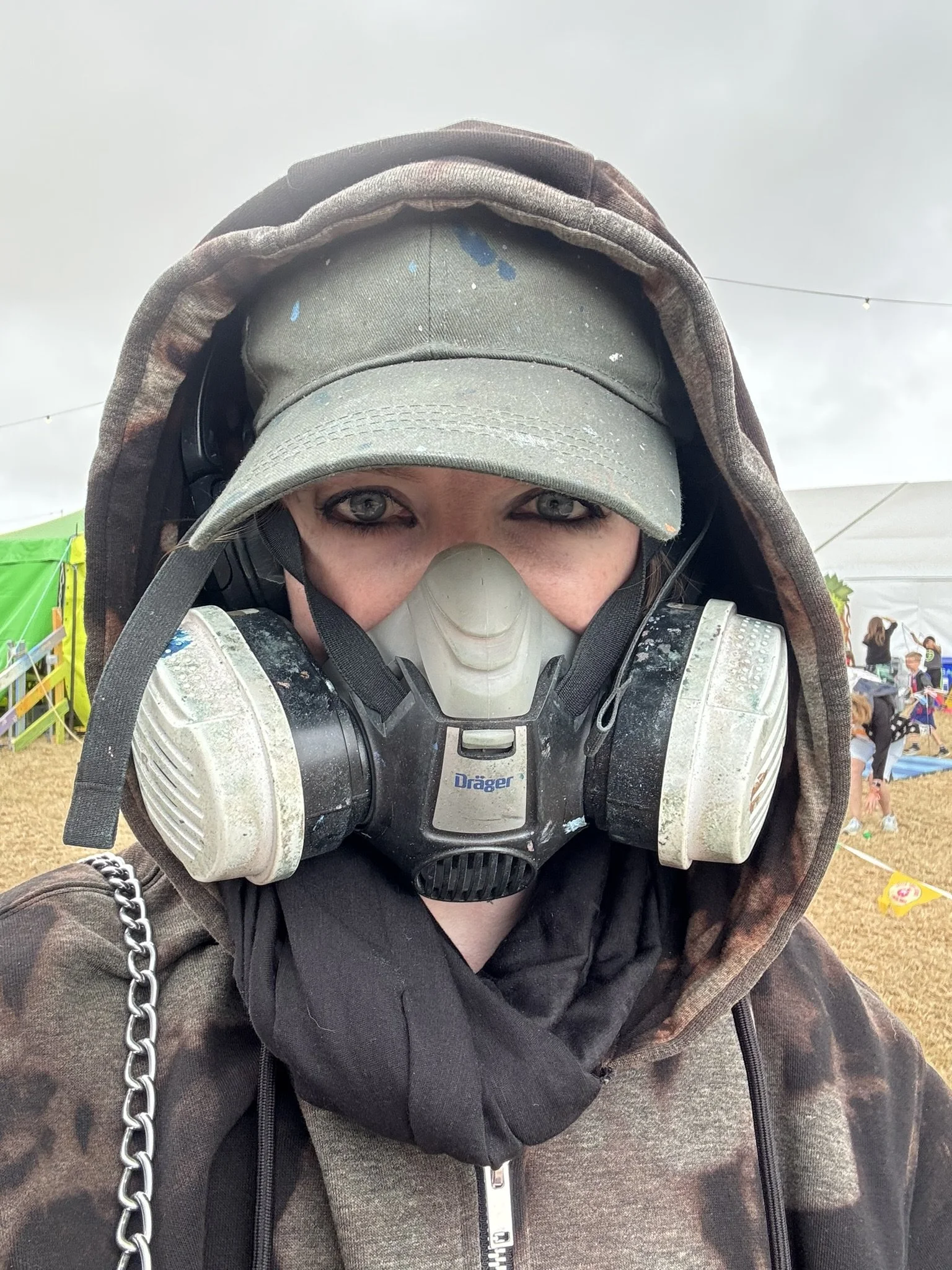
I trained at the London School of Muralism and was drawn to the physicality and immediacy of large-scale painting. In 2026 I returned to the school as the spray-painting and career guidance tutor.
Working at scale changed my relationship to art entirely. Painting in public, in conversation with the people who live with the work, removed the idea of the isolated artist. The process became about doing the groundwork with people, understanding a place properly before making any decisions about what belongs on its wall.
Visually I'm drawn to realism, reflection and light, both as an effect and as a metaphor. I'm interested in textiles and pattern as cultural language, and in how what people wear or make holds stories of identity and migration. Mythmaking runs through all of it, finding the thread between everyday experience, ancestral memory, and stories that repeat across cultures.
My studio practice is a testing ground for these ideas, figurative and exploratory, and it often feeds directly into larger public works.
About the wider artistic practice
If you’re interested in the work beyond my commissioned placemaking projects, my Art page explores murals, studio pieces, and writing in a more experimental, personal register.
The tone there is looser, moodier, and more playful, a space for fragments and flashes. It’s where my visual language develops before being translated into public space.